
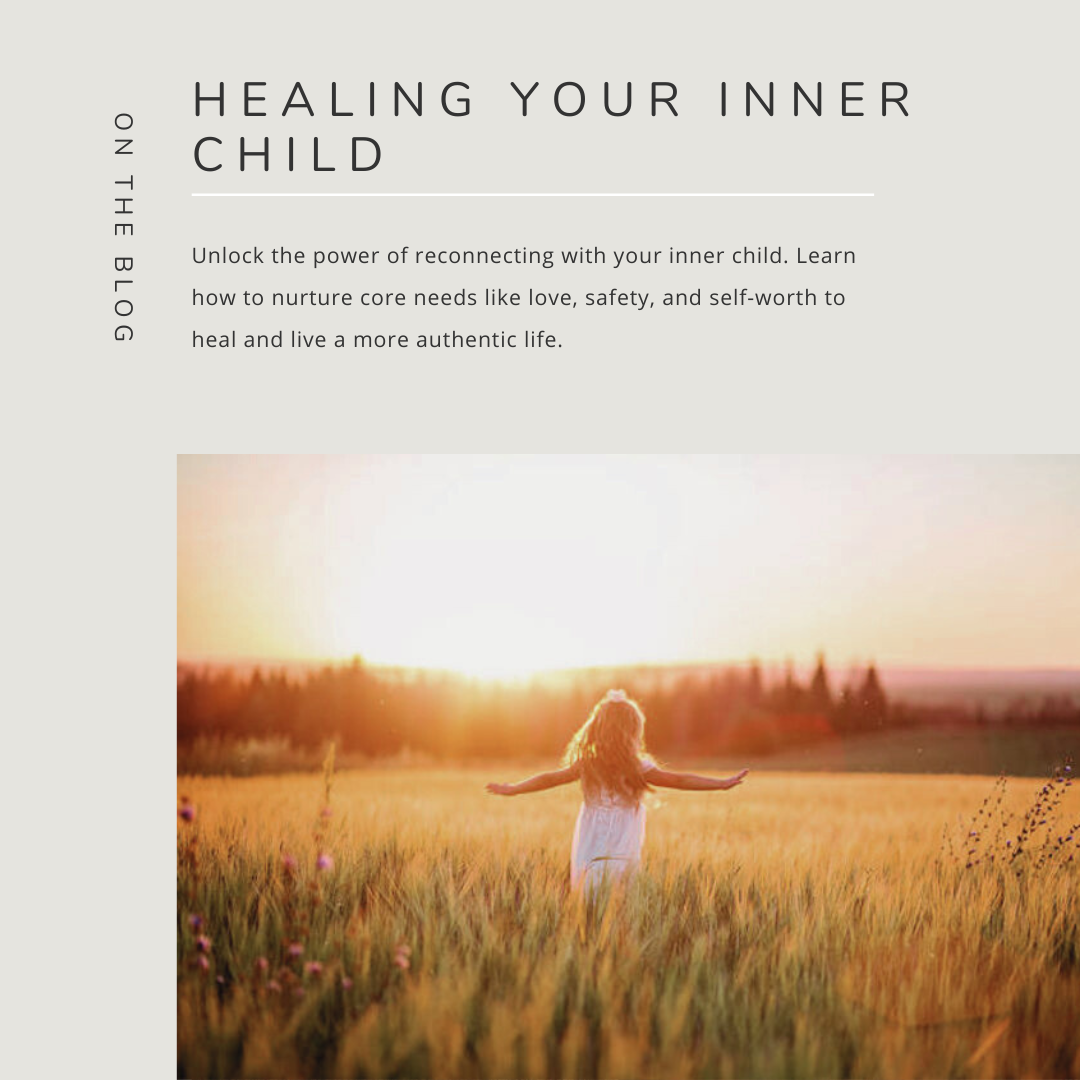
Have you ever noticed that certain emotional reactions seem to stem from a deeper place inside you, as if the feelings you’re experiencing have been there for a long time? That’s often the voice of your inner child—the part of you that holds your earliest emotional memories, needs, and vulnerabilities. Tuning in to this part of yourself can help you understand why you react the way you do and, more importantly, how you can heal and nurture your true self.
Our inner child is the source of our natural joy, creativity, and emotional sensitivity. It’s the purest version of who we are, unfiltered by the demands of adulthood. However, when our core childhood needs go unmet, we can carry those wounds with us into adulthood, sometimes without even realizing it.
The Core Needs of Your Inner Child
Every child has certain fundamental needs, and these needs don’t just disappear when we grow up. They continue to shape our emotional lives, relationships, and sense of self. Understanding these core needs is the first step toward nurturing your inner child and healing old wounds. Here’s a closer look at what your inner child might need:
- Identity and Significance in the World
Every child longs to be seen, heard, and valued for who they are. This need for identity and significance helps us feel like we matter and have a place in the world. If this need was unmet, we might struggle with self-worth or feel like we’re never enough. - Safety
As children, we need to feel safe—both physically and emotionally. When we grow up in an environment where we’re protected and supported, we develop a sense of trust in the world. But if safety was lacking, we may feel anxious, mistrustful, or constantly on guard. - Connection and Love
We all need to feel loved and connected to those around us. Children thrive when they experience warmth and nurturing from caregivers. When this need goes unmet, we might carry fears of abandonment, rejection, or struggle to form close relationships as adults. - Autonomy
As we grow, it’s important to feel a sense of control over our own lives. Children need space to make decisions, explore, and develop independence. Without this, we might become overly dependent or feel powerless in navigating life’s challenges. - Variety and Stimulation
Children are naturally curious and crave experiences that engage their senses and minds. A rich, stimulating environment helps foster creativity and emotional growth. If this was missing, we might feel stuck, uninspired, or emotionally disconnected. - Growth
Children are wired to grow—physically, mentally, and emotionally. Encouragement to explore, take risks, and learn from mistakes nurtures resilience. A lack of growth opportunities can leave us feeling stagnant, hesitant to take risks, or afraid of failure.
The Wounded vs. Nurtured Inner Child
When our core needs aren’t met as children, it can create emotional wounds that affect us long into adulthood. These wounds can shape how we see ourselves and the world. But there’s good news: with awareness and compassion, we can heal these wounds and nurture our inner child back to health.
The Wounded Inner Child
If your inner child is carrying unresolved pain, you might notice patterns in your adult life that reflect this. A wounded inner child might show up as:
- Emotional Reactivity: Feeling easily triggered, especially when it comes to criticism, rejection, or feeling abandoned.
- Self-Sabotage: Holding yourself back from happiness or success because deep down, you don’t believe you deserve it.
- People-Pleasing or Rebellion: Either seeking approval to feel loved or rebelling against authority because you never had a sense of control.
- Perfectionism: Trying to be perfect to feel worthy or loved, as if making mistakes means you’re less valuable.
- Fear of Intimacy: Struggling to trust others or let them get close, out of fear of being hurt, rejected, or abandoned.
A wounded inner child often feels unseen or unworthy, leading to protective behaviors that can isolate us from our true selves and others.
The Nurtured Inner Child ( AKA Your Authentic Self)
When your inner child’s needs are met, or when you work to meet those needs as an adult, you can reconnect with your authentic self—the part of you that feels free, confident, and open to life. A nurtured inner child looks like:
- Emotional Resilience: Handling life’s challenges with more ease, knowing you can support yourself through difficult feelings.
- Healthy Boundaries: Feeling comfortable saying “no” and honoring your own needs without guilt.
- Authentic Self-Expression: Being true to who you are, feeling less fear of judgment or rejection.
- Confidence and Curiosity: Embracing life with a sense of wonder and courage, knowing that it’s okay to make mistakes and learn along the way.
- Secure Relationships: Trusting in your ability to form deep connections with others, based on mutual respect and care.
When your inner child feels nurtured, you’re more likely to live a life that’s aligned with your true desires, values, and needs.
Healing Your Inner Child
Healing your inner child doesn’t mean changing who you are—it’s about reconnecting with the parts of you that need love, care, and attention. Here are some ways to begin the healing process:
- Practice Self-Compassion: Speak to yourself the way you would to a child in need—with kindness, patience, and understanding. When you notice yourself being hard on yourself, try offering reassurance instead.
- Reparent Yourself: Imagine what your inner child might have needed in difficult moments, and offer those things to yourself now. Whether it’s love, safety, or permission to make mistakes, give yourself what you needed most.
- Set Boundaries: Create emotional safety for your inner child by setting healthy limits in your relationships and life. Protecting yourself is an act of love.
- Inner Dialogue: Start a conversation with your inner child. Ask what they need and listen with an open heart. You might be surprised by how much healing can happen when you show up with compassion.
- Seek Support: Sometimes, healing old wounds can be challenging to do alone. Therapy, especially approaches that focus on inner child work, can provide a safe space to explore and heal these parts of yourself.
Healing your inner child is not about “fixing” yourself but about offering the love and care you may have missed growing up. As you begin to meet your own core needs and nurture your inner child, you’ll find that the patterns of emotional reactivity, insecurity, or fear begin to soften. You start to feel more whole, more at peace, and more connected to the person you were always meant to be—your authentic self.
With each step toward healing, you’ll discover that your inner child was never lost, just waiting to be seen, understood, and loved. And as you nurture that part of you, you’ll grow into the adult you’ve always needed.
Additional Resources for Inner Child Healing:
- Books:
- Healing the Child Within by Charles Whitfield
- How to Meet Yourself: The Workbook for Self-Discovery by Dr. Nicole LePera
- Reconciliation: Healing the Inner Child by Thich Nhat Hanh
- Homecoming: Reclaiming and Healing Your Inner Child by John Bradshaw
- Podcasts:
- SelfHealers Soundboard with the Holistic Psychologist
- Back From the Borderline with Mollie Adler
- Being Well with Forrest Hanson and Dr. Rick Hanson
These resources can help you begin the journey of nurturing your inner child and embracing your authentic self with the love and care you deserve.
Written by Lauren McKinney, LPC